


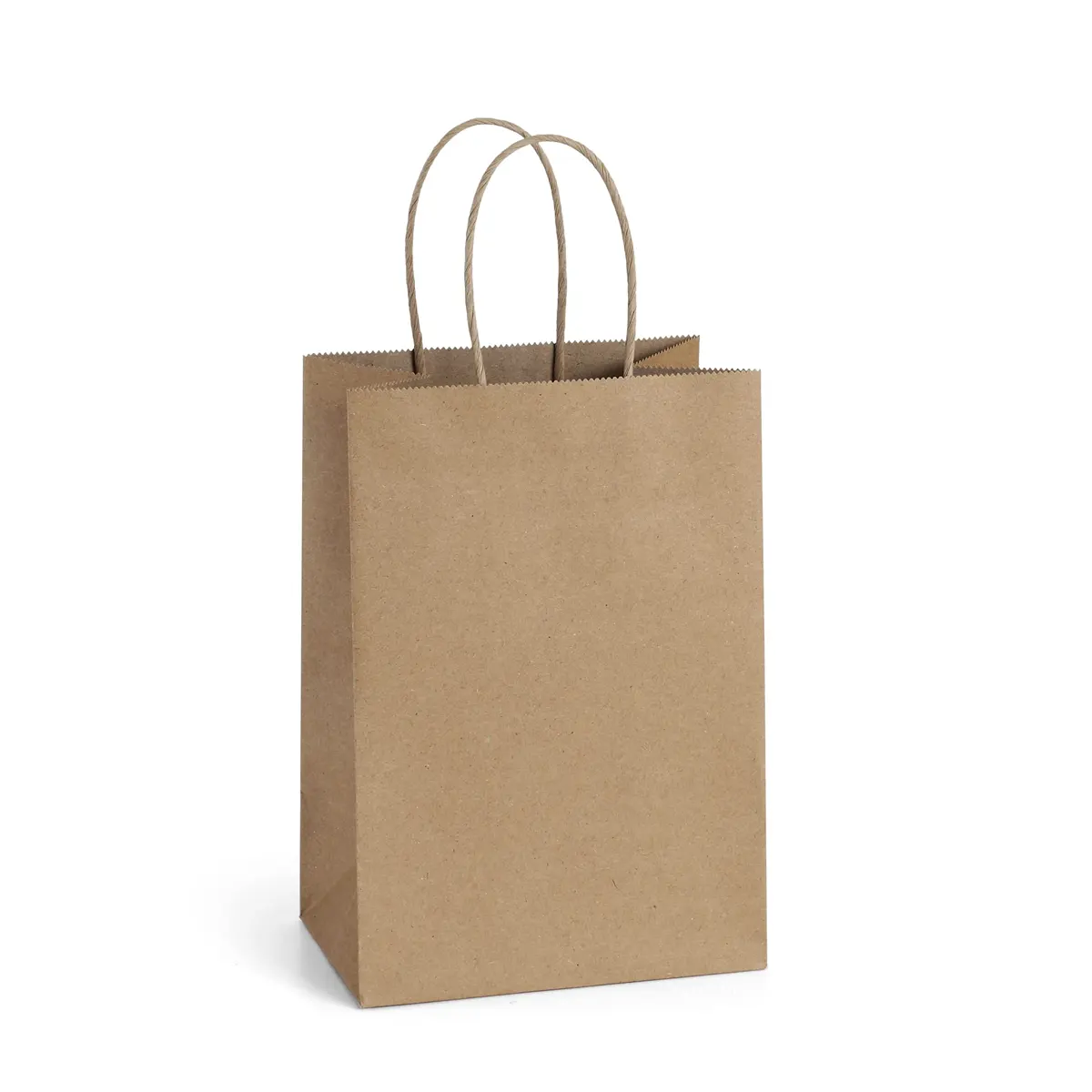
Paper Bag Handles and Bases: A UAE Buyer’s Checklist
Start with the real packaged item, not a nominal capacity
A paper bag may look simple, but its suitability depends on how the finished item sits inside it from opening to base. UAE buyers planning retail, gifting, hospitality or corporate distribution should begin with the actual pack: its width, depth, height, corners, weight distribution, protective wrap and the way a recipient will carry it.
Use a real packaged example rather than a product description. Measure the item in its final state, including tissue, sleeves, cartons, lids, ribbon, inserts or outer wrap that must travel with it. Then check the opening width and usable internal height, not only the external dimensions of a bag.
When comparing formats in the paper bags category, the useful question is not “what will it hold?” in the abstract. Ask instead: does our finished, packaged item enter, settle and leave the bag without unwanted pressure or distortion? That makes selection a construction review that purchasing, operations and brand teams can assess together.
Check the opening and usable dimensions
The opening needs to work for the person packing the bag as well as for the recipient removing the contents. Test whether staff can place the item inside without crushing an edge, catching a label or repeatedly pulling the handles apart.
Leave enough room between the item and the handle attachment or top fold for the bag to be carried without contents pressing into those areas. For a project with several SKUs, assess the largest, most awkward and sharpest-edged pack instead of relying on an average item. A boxed gift arrangement can also need outer packaging even when its gift box looks complete. Relevant formats can be reviewed through promotional gifts, while the paper bag assessment remains focused on the final arrangement.
Choose a handle concept as part of the structure
Flat paper handles, twisted paper handles, paper rope handles, ribbon handles and die-cut openings are general design concepts. Evaluate them against the intended item, packing method and brand appearance, rather than treating any one as an automatic sign of performance.
Look closely at the attachment method. Handle patches spread force across an internal area, while holes, reinforced areas and the top fold influence how the upper section responds when lifted. Inspect whether attachment points appear aligned and whether surrounding paper is creased, torn, thin-looking or visibly strained.
The upper fold is not merely a finishing detail: it can affect the feel and stability of the opening as well as usable height. Ask for the handle and top construction to be reviewed in the selected format with the actual item present. CEPI Eurokraft notes that paper quality, glue and handle construction affect bag strength. Use that as a prompt to inspect the complete construction instead of judging by handle style alone.
Inspect base folds and bonding before approval
The base is where the item must settle and where folding and adhesive work are highly visible. Check bottom creases for symmetry, opening quality and clean alignment. Look at glue bond areas for gaps, uneven lines, lifting edges, excess adhesive or marks that could weaken the presentation.
Review base folds empty and with the intended contents inside. An empty bag can look neat but show uneven stress once a carton or bundled product reaches the bottom. Observe whether the base opens evenly and corners stay orderly.
Keep an approval record covering selected dimensions, paper material grade, declared weight, handle concept, top fold, base construction, finish and intended end use. GSM can be recorded briefly as the declared paper weight alongside the material grade. It should not replace a review of the finished bag with the actual contents.
Allow for sharp contents and moisture exposure
Sharp corners, metal fittings, glass edges and tightly packed cartons can concentrate pressure on folds and internal panels. Place those items in the proposed bag in their intended arrangement. Note whether a corner catches a gusset, presses into a base crease or sits immediately below a handle attachment. Protective wrapping, a changed orientation or a different format may improve the completed pack without changing the product.
Discuss moisture exposure in relation to the journey the bag will make. Condensation, damp storage, wet hands, chilled products and outdoor transfers can affect paper presentation and construction. Do not assume a paper bag is universally resistant to moisture. Describe expected exposure, storage conditions and handling, then ask what finish and end-use evidence is applicable to the proposed configuration.
Use an actual-use evaluation, not a generic capacity rating
Agree an actual-use evaluation before committing the design. Its purpose is not to assign a generic capacity rating; it is to see the selected paper bag in the intended filling and carrying conditions. Include the final item, its outer packaging, anticipated carrying distance, normal lifting method and likely environmental exposure.
Agree issues that require revision before approval. They may include distortion around the opening, an item sitting too high, misaligned handles, an untidy base, visible glue marks, excessive creasing, catching at die-cut edges or damage caused by the packaged contents. Defining what is unacceptable makes feedback specific and avoids late disagreement based on a general impression that the bag does not feel right. Keep agreed observations with the selected specification and artwork approval.
If paper does not suit the brief after this review, consider a separate finished-bag assessment for other formats, such as those in the jute bags category. Assess the alternative independently rather than transferring conclusions from the paper sample. Review its proposed construction with the same final packaged contents and intended conditions.
Request a quote with the details that reduce uncertainty
A useful enquiry states final item dimensions and packed state; whether it is boxed, sharp-edged, rigid or irregular; preferred orientation; required opening and usable height; intended handle concept; and the intended storage and carrying environment. Include the preferred paper material grade and declared weight where defined, together with the finish and intended end use.
Green Bags UAE has operated in Dubai since 2006 and has a warehouse in Al Qusais Industrial Area 5. Minimum orders are from 50 pieces. For free quotes, contact Green Bags UAE on +971 4 370 5277 or enquiry@greenbagsuae.com, and include the actual-use details needed for the discussion.
Frequently asked questions
How do I check whether a paper bag fits a boxed item?
Assess the box in its final arrangement, including tissue, sleeves, ribbon and outer wrap. Check that it passes through the opening without forcing the sides apart, settles on the base neatly and leaves clearance below the top fold and handle attachment. Review the bag while staff pack it and a recipient removes the box.
Which paper bag handle should we choose for our project?
Consider flat paper, twisted paper, paper rope, ribbon and die-cut openings as design options, then review the chosen concept with actual contents and the carrying method. Inspect attachment patches, holes and the top fold for alignment and visible stress. The decision should support finished-bag use and presentation rather than rely on handle style alone.
Is GSM enough to judge a paper bag?
No. Record the material grade and declared paper weight, including GSM where relevant, but assess the completed bag as a whole. Opening dimensions, handle attachment, top fold, base folds, glue bonds, finish and actual contents all affect the outcome. Use an actual-use evaluation rather than treating one paper specification as a capacity rating.
What defects should be agreed before paper bag approval?
Agree visible and functional issues that are unacceptable for the selected format. These may include distorted gussets, awkward opening access, item pressure near the top, misaligned handles, untidy base folds, glue marks, lifting bond edges, sharp contents catching the paper or excessive creasing. Review these points using the intended packaged item before approval.
How should moisture be discussed for paper bags in the UAE?
Describe actual storage, filling and carrying conditions, including possible condensation, damp handling or outdoor transfers. Do not assume universal moisture resistance. Ask what finish and end-use evidence is applicable to the proposed configuration, then assess the completed bag with intended contents. Record agreed handling limitations alongside the approved specification for the project.
